 RelocateCompass
Skilled Independent (189)
For skilled professionals without a sponsor. Points-based, leading directly to permanent residency.
Permanent residency · 6–18 monthsLearn more →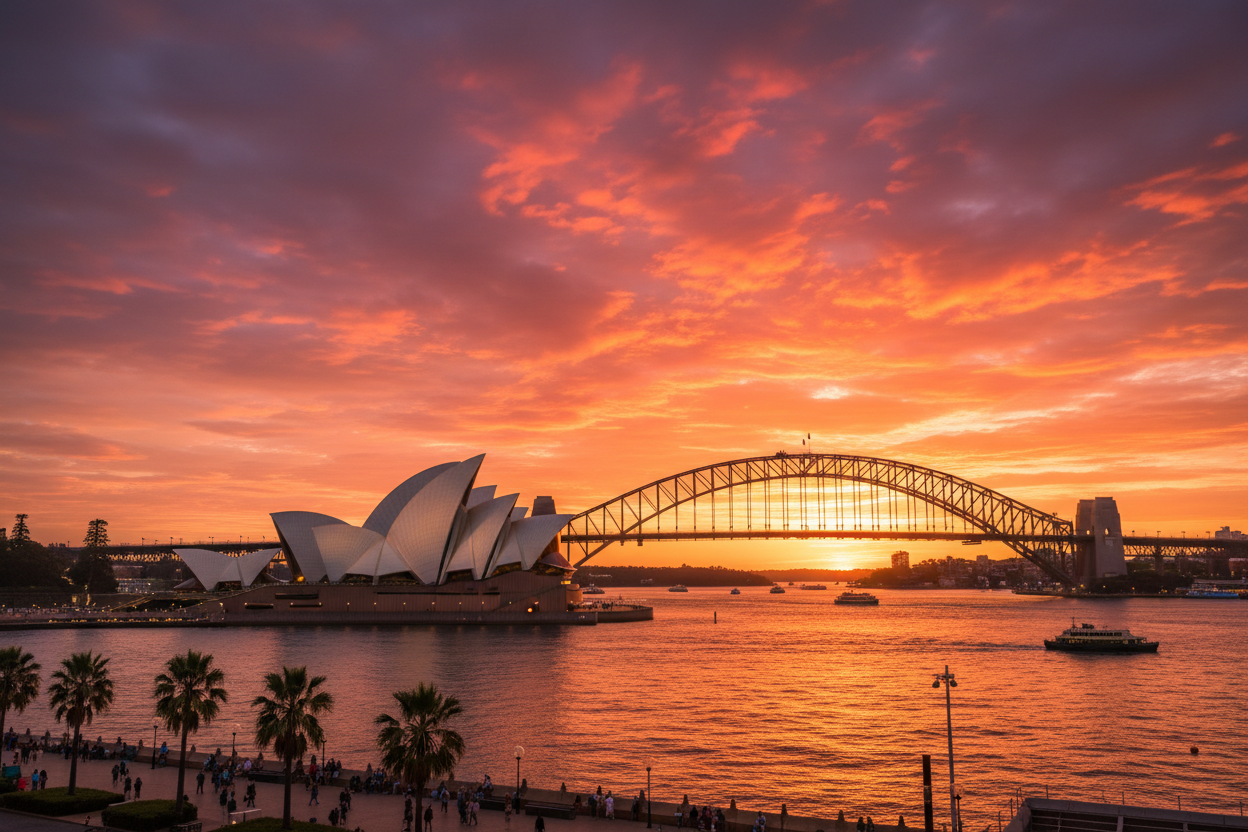
The land of opportunity at the edge of the world
Australia combines English-speaking daily life, high wages and a skilled-migration system with one of the world’s most geographically isolated housing markets. Sydney and Melbourne offer the deepest professional networks but some of the highest rents; Brisbane and Perth attract people looking for warmer weather and strong regional economies; Adelaide and smaller cities can offer a different balance of cost and pace. Distance between cities is large, so location affects jobs, climate and family travel more than many newcomers expect. A realistic Australia budget should account for rent, transport, healthcare eligibility and one-time visa or relocation costs alongside salary. Skilled, employer-sponsored and state-linked routes also differ in how location and occupation influence eligibility.
Key facts for a first relocation decision.
Choose the situation closest to yours, then check the routes that may fit.
Check my eligibility →The main routes differ by work, income, study, investment and personal circumstances.
For skilled professionals without a sponsor. Points-based, leading directly to permanent residency.
Permanent residency · 6–18 monthsLearn more →Permanent residency for skilled workers nominated by an Australian state or territory.
Permanent residency · 12–24 monthsLearn more →Temporary work visa sponsored by an Australian employer for occupations in demand.
2–4 years · 1–3 monthsLearn more →For full-time study at accredited Australian institutions, with limited work rights.
Up to 5 years · 1–2 monthsLearn more →For spouses or de facto partners of Australian citizens, permanent residents, or eligible New Zealand citizens.
Temporary stage → permanent residency · 12–36 monthsLearn more →Compare your monthly income with the one-person baseline in our current cost model.
Typical monthly costs for one person in our current model.
Salary, language and work-permission considerations.
Use this as a planning overview, then verify your route.
A baseline for planning before you compare individual cities and neighborhoods.
Actual rent varies substantially by location and property type.
Start with the location factors already available in our country data, then compare city-level costs before choosing an area.
A useful starting point for comparing national institutions, jobs and services.
Climate can vary within a country, so check the exact city before moving.
Local language needs can affect work, housing and daily administration.
Use the calculator to compare your real household profile and destination.
A neutral check against the main advantages and trade-offs in our current country profile.
A route-neutral overview. Exact requirements and timelines depend on the country, visa and your personal circumstances.
A practical sequence from deciding to move through settling in.
Continue planning with calculators built around the next decision you need to make.
Common questions people ask when planning a move to Australia.
Compare Australia's climate regions, cities and neighborhoods to find the best fit for your lifestyle.
Climate diversity of the country
Most comfortable climate in Australia. Temperate with real winter and warm summer.
Warm and sunny year-round. Beaches, Great Barrier Reef, surfing.
Isolated, sunny, affordable. Far from everything, but beautiful climate.
Most affordable major cities. Wine regions, relaxed lifestyle.
Compare Australia’s major relocation hubs by lifestyle, housing, transport and the neighborhoods most practical for everyday life. Rent ranges are approximate monthly equivalents based on recent 1–2 bedroom rental medians.
Australia's largest city. Opera House, Harbour Bridge, beaches. Most expensive city in the country.
Port Jackson Bay, New South Wales, southeast coast of AustraliaCentral business district and adjacent Pyrmont. Major company offices, high-rises, Darling Harbour.
Most popular neighborhood among young professionals and expats. Sydney's best cafés, diverse gastronomy, vibrant life.
Famous Bondi Beach. Surfing, volleyball, waterfront cafés. Huge expat community, many British and Irish.
Western suburbs with large Indian, Chinese and Arab communities. Most affordable prices in Greater Sydney.
Prestigious northern shores. Good public and private schools, green streets, quiet life.
Australia's cultural capital. Coffee, graffiti, fashion, food, startups. Often voted world's most livable city.
Port Phillip Bay, Victoria state, southeast AustraliaThe soul of Melbourne. Street art, indie cafés, designer shops, farmers markets. Hugely popular with expats.
Luxury apartments along the Yarra River, galleries, theatres, fine dining. South Yarra — Melbourne's Parisian chic.
Affordable bohemian northern neighborhoods. Arabic restaurants on Sydney Road, indie music, young creative crowd.
Melbourne's legendary beach district. Luna Park, nightlife, diverse population. Famous St Kilda Festival.
Fast-growing Queensland capital with warm weather, a strong professional job market and easy access to the Gold Coast and Sunshine Coast.
Brisbane River, southeast QueenslandInner-south neighborhoods close to South Bank, universities, restaurants and the CBD. West End is more bohemian; South Brisbane has newer apartment stock.
Popular inner-city riverside area with cafés, parks and renovated warehouse apartments. Strong choice for professionals who want a quieter base near the CBD.
Dense inner-city precinct with major nightlife, new apartments and very strong rail and bus connections. Newstead is quieter and more residential than the Valley core.
Sunny west-coast capital with strong resources, engineering and construction employment, excellent beaches and a more isolated location than the eastern capitals.
Swan River and Indian Ocean coast, Western AustraliaApartment-heavy central area close to offices, the Swan River and rail links. Convenient for newcomers who want to avoid a long commute.
Inner-west neighborhood with cafés, restaurants, parks and fast rail to the CBD. Popular with professionals and families.
Independent port city within Greater Perth, known for heritage streets, cafés, markets and beaches. Better for lifestyle than CBD commuting speed.
Compact South Australian capital with shorter commutes, wine regions nearby and lower headline rents than Sydney, Brisbane and Perth.
Gulf St Vincent, South AustraliaGrid-based city centre with universities, offices, restaurants and tram access. Practical for newcomers who want to live without a car.
Popular eastern suburb centered on The Parade, with cafés, shops and easy access to central Adelaide.
Adelaide's best-known beach suburb, connected to the CBD by tram. Attractive for people prioritising waterfront lifestyle over a central address.
Planned national capital with a strong public-sector and professional job market, good cycling infrastructure and a quieter pace than Sydney or Melbourne.
Australian Capital Territory, inland southeast AustraliaInner-north neighborhood next to Canberra City with cafés, restaurants, light rail and a large apartment market.
Inner-south area close to Parliament House, government departments and Lake Burley Griffin. Kingston has more restaurants and apartment living; Barton is more office-focused.
Major town centre in Canberra's northwest with shopping, apartments, bus links and access to the University of Canberra.