 RelocateCompass
LTR Visa (Long Term Resident)
Long-term visa for wealthy global citizens, remote professionals, specialists, and retirees meeting income or asset criteria.
10 years · 2–4 weeksLearn more →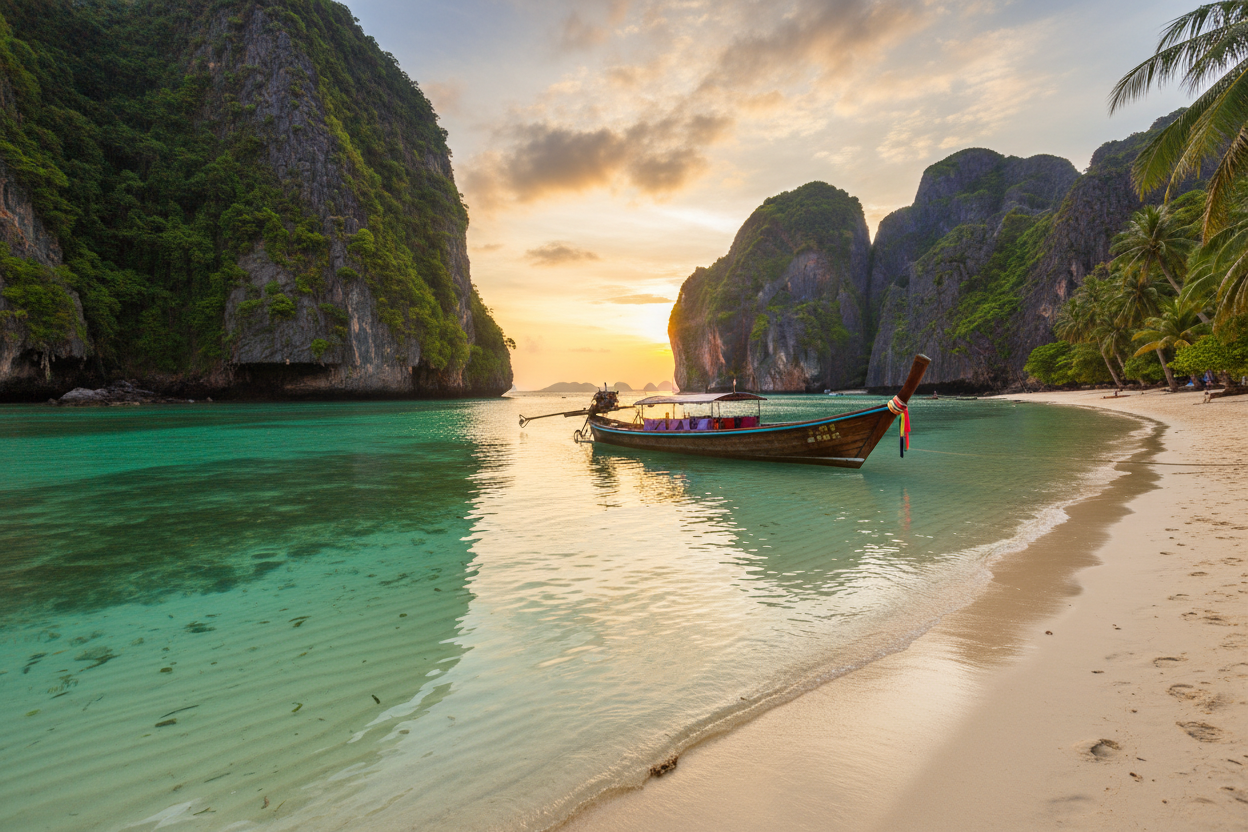
The land of smiles and tropical paradise
Thailand offers several very different relocation lifestyles: Bangkok for jobs, transport and large-city services; Chiang Mai for a smaller northern base; Phuket and other islands for tourism-oriented coastal living; and secondary cities for lower costs and a more local environment. Private healthcare is a major reason many foreigners are comfortable staying long term, while Thai language skills become increasingly valuable outside international districts. Housing can be inexpensive compared with many Western capitals, but imported goods, international schooling and island living can raise a household budget quickly. Visa and tax planning also need to be separated from the tourist experience: a long stay should be based on a route that fits work, retirement, family or financial circumstances rather than repeated short visits.
Key facts for a first relocation decision.
Choose the situation closest to yours, then check the routes that may fit.
Check my eligibility →The main routes differ by work, income, study, investment and personal circumstances.
Long-term visa for wealthy global citizens, remote professionals, specialists, and retirees meeting income or asset criteria.
10 years · 2–4 weeksLearn more →Premium long-stay membership visa for people who want simple long-term residence without work rights. Rebranded from "Thailand Elite" in late 2023.
5–20 years depending on tier · 2–4 weeksLearn more →Work visa for foreigners employed by a Thai company, paired with a Thai work permit.
1 year, renewable · 1–2 monthsLearn more →For studying Thai language, university programmes, or approved courses in Thailand.
1 year · 2–4 weeksLearn more →Long-stay retirement route for applicants aged 50+ meeting financial and insurance requirements.
1 year, renewable · 2–4 weeksLearn more →Compare your monthly income with the one-person baseline in our current cost model.
Typical monthly costs for one person in our current model.
Salary, language and work-permission considerations.
Use this as a planning overview, then verify your route.
A baseline for planning before you compare individual cities and neighborhoods.
Actual rent varies substantially by location and property type.
Start with the location factors already available in our country data, then compare city-level costs before choosing an area.
A useful starting point for comparing national institutions, jobs and services.
Climate can vary within a country, so check the exact city before moving.
Local language needs can affect work, housing and daily administration.
Use the calculator to compare your real household profile and destination.
A neutral check against the main advantages and trade-offs in our current country profile.
A route-neutral overview. Exact requirements and timelines depend on the country, visa and your personal circumstances.
A practical sequence from deciding to move through settling in.
Continue planning with calculators built around the next decision you need to make.
Common questions people ask when planning a move to Thailand.
Compare Thailand's climate regions, cities and neighborhoods to find the best fit for your lifestyle.
Climate diversity of the country
Capital region. Hottest and most humid. Megacity with traffic and contrasts.
Cooler and cleaner. Mountains, temples, markets. Largest digital nomad hub in Asia.
Tropical islands. Touristy, expensive in summer, but very beautiful.
Compare Thailand’s major relocation hubs by rent, lifestyle, transport and everyday practicality. Rent ranges are approximate monthly long-term market ranges.
Thailand's capital. Enormous megacity with millions of motorcycles, incredible food and 24/7 life.
Chao Phraya River delta, central plains of ThailandBangkok's main expat street. International schools, hospitals, restaurants of every cuisine, nightlife. BTS Skytrain zone.
Bangkok's financial center. Banks, embassies, best serviced apartments. Silom bar street at night.
Favorite areas of Bangkok locals. Cozy cafés, hipster restaurants, less touristy. More affordable than Sukhumvit.
Historic center with Grand Palace and Wat Pho. Guesthouses and cheap accommodation, but many tourists and little long-term infrastructure.
Asia's digital nomad capital. Cooler than Bangkok, cheaper, calmer. Mountains, temples, cozy cafés.
Northern Thailand, foothills, Ping River valley, 310m elevationChiang Mai's trendiest neighborhood. Best cafés with fast Wi-Fi, co-working spaces, design hotels. Digital nomads' top choice.
Moat-surrounded historic center with temples. Cheap guesthouses, street food, night markets.
Suburban areas south of center. Lowest prices, lots of greenery, quiet. Ideal for those wanting Thai village life.
Thailand's largest island. Luxury resorts, white-sand beaches. In winter — paradise for digital nomads.
Thailand's largest island, Andaman Sea, south of the countryFavorite area of long-term expats. Less touristy, quiet beaches, local markets, expat community.
Center of Phuket's tourist life. Bangla Road, Patong Beach, clubs and bars. Good for short stays, poor for living.
Laguna complex — villas, golf, luxury hotels. International schools nearby. For wealthy expat families.
Large Gulf-coast city with a huge long-term foreign community, extensive condo supply and lower housing costs than Bangkok or Phuket.
Eastern Gulf of Thailand coast, Chonburi provinceDense central zone close to malls, restaurants and nightlife. Convenient but not ideal for people seeking quiet living.
Long beach south of central Pattaya with many condos, restaurants and a large long-term expat community.
Northern coastal area with newer high-rise condos and a calmer atmosphere than central Pattaya.
Relaxed Gulf resort city popular with retirees, families and remote workers. Smaller and quieter than Pattaya, with a strong long-stay market.
Western Gulf of Thailand coast, Prachuap Khiri Khan provinceArea around the railway station, night market and central beach. Best for newcomers without a car.
Popular southern beachfront area with condos, cafés and easy access to Cicada and Tamarind markets.
Inland residential area with larger homes and villas at lower prices than the beach strip.