 RelocateCompass
Digital Nomad Visa (DNV)
For remote workers and freelancers employed by companies outside Spain, introduced under the Startup Law.
1 year (visa) → 3 years (residence permit) → renewable for 2 years · 20 working days (expedited: 10 days)Learn more →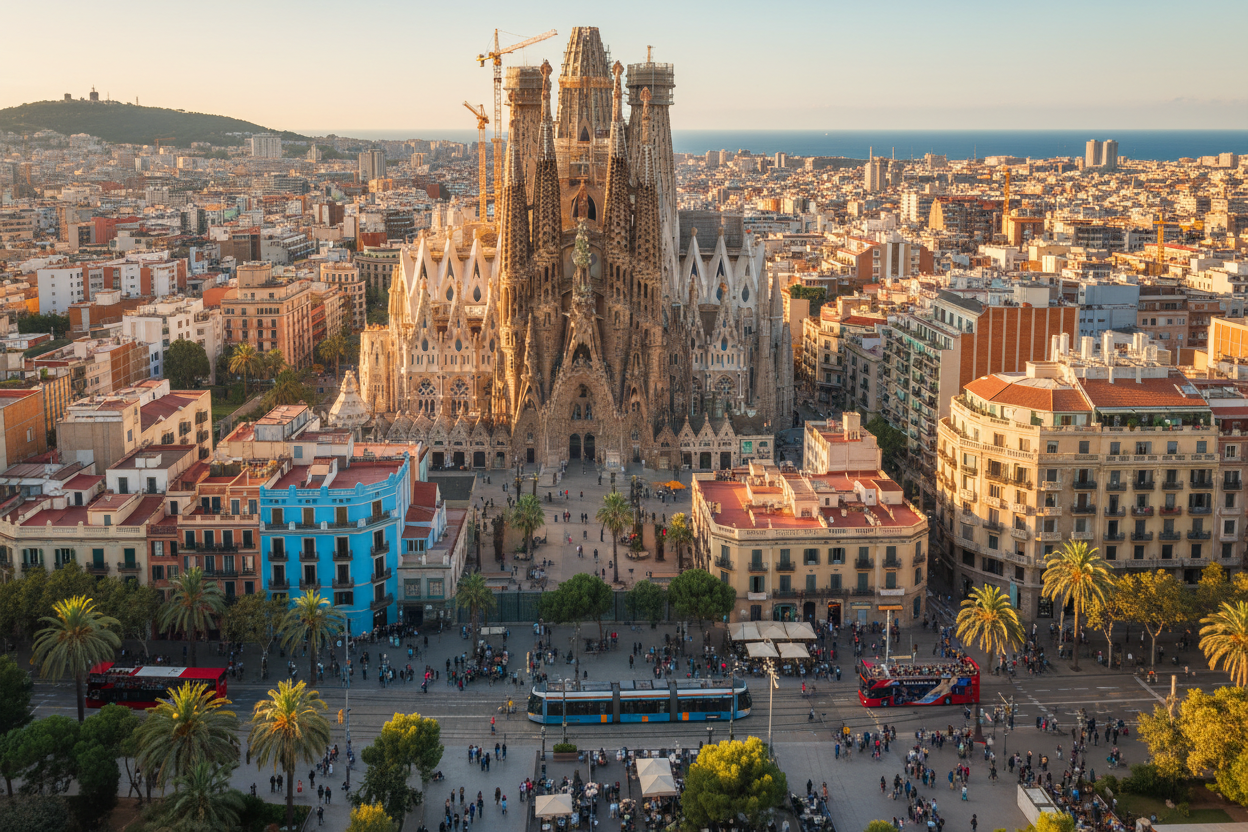
Sun, culture and Mediterranean lifestyle
Living in Spain can mean very different things depending on where you settle. Madrid offers the deepest job market and a fast urban rhythm; Barcelona combines an international business scene with Mediterranean life; Valencia and Málaga are popular for coast, climate and a slower pace; Seville and inland cities can offer more space and lower housing pressure. Spain also has strong regional identities, languages and climate differences, so choosing the right city matters almost as much as choosing the country. Relocation planning should combine visa eligibility, after-tax income, rent, healthcare access, transport and the local language environment rather than relying on one national average.
Key facts for a first relocation decision.
Choose the situation closest to yours, then check the routes that may fit.
Check my eligibility →The main routes differ by work, income, study, investment and personal circumstances.
For remote workers and freelancers employed by companies outside Spain, introduced under the Startup Law.
1 year (visa) → 3 years (residence permit) → renewable for 2 years · 20 working days (expedited: 10 days)Learn more →For financially independent people — retirees, rentiers, or passive-income earners. No work is permitted, including remote work.
1 year, renewable for 2+2 years, then permanent residency · 1–3 monthsLearn more →Employer-sponsored work visa. The Spanish employer initiates the process through the Oficina de Extranjería.
1 year → renewable for 2+2 years → PR → citizenship · 2–6 monthsLearn more →For study at Spanish universities, language schools, or colleges. Allows working up to 30 hours/week.
Duration of study (up to 1 year → renewable) · 1–2 monthsLearn more →Compare your monthly income with the one-person baseline in our current cost model.
Typical monthly costs for one person in our current model.
Salary, language and work-permission considerations.
Use this as a planning overview, then verify your route.
A baseline for planning before you compare individual cities and neighborhoods.
Actual rent varies substantially by location and property type.
Compare Spain's climate regions, cities and neighborhoods to find the best fit for your lifestyle.
Climate diversity of the country
Dry hot summers and mild winters. A popular climate for year-round outdoor life.
Continental climate with large seasonal temperature swings.
Green, humid and cooler, with easy access to coast and nature.
Very hot summers, mild winters, strong culture and generally lower costs outside major hotspots.
Canaries are especially mild year-round; Balearics are more seasonal and tourism-driven.
More seasonal than the coast, with access to mountains, smaller cities and the Mediterranean.
Compare Spain's main relocation hubs by lifestyle, housing, transport and practical neighborhoods. Ratings are directional planning aids rather than official scores.
Capital and largest city of Spain. Business and cultural hub of the country.
Central Iberian Peninsula, around 650m above sea levelMadrid's most prestigious neighborhood. Luxury shopping, fine dining and top schools.
Popular with professionals and international residents; central, residential and well connected.
Creative central districts with cafés, nightlife, restaurants and a lively social scene.
Quiet, established area around Parque del Buen Retiro, popular with families.
Diverse central neighborhood with restaurants, galleries and a more alternative atmosphere.
More residential southern districts where housing can be cheaper than in central Madrid.
Mediterranean city with a large international community, strong tourism and technology sectors.
Coastal Catalonia; dense urban core and competitive housing marketGrid-planned central district with excellent transport, dining and daily services.
Walkable streets, independent cafés and a strong neighborhood identity.
Former industrial zone turned tech hub, close to the beach and 22@ business district.
Quieter residential area with schools, parks and more space than the city centre.
Practical residential district around Barcelona Sants station with strong transport links.
Atmospheric central streets with nightlife, tourism and limited space.
Warm coastal city on the Costa del Sol with tourism, international residents and a growing tech scene.
Mediterranean coast; hot summers, mild winters and strong airport connectionsHistoric centre with culture, restaurants and nightlife; lively and tourist-heavy.
Beachside district next to the centre, popular for sea access and walkability.
Newer residential district popular with students and families, with good local services.
Established residential area east of the centre with larger homes and a calmer feel.
Residential coastal area with everyday services and generally better value than prime beach districts.
Relaxed eastern waterfront known for beaches, restaurants and a local coastal atmosphere.
Large Mediterranean city combining beaches, cycle-friendly streets and lower costs than Madrid or Barcelona in many areas.
East coast; warm summers, mild winters and a compact urban layoutPopular central district with cafés, restaurants and nightlife.
Old-town streets, culture and nightlife in the heart of Ciutat Vella.
Lively neighborhood with students, local bars and a more informal atmosphere.
Green, central and residential, close to universities and Jardines del Real.
Historic seaside district with colorful streets and easy beach access.
Quieter residential choice with everyday services and relatively moderate rents.
Andalusian capital known for culture, walkable historic districts and very hot summers.
Inland Andalusia; lower housing costs than Madrid or Barcelona in many districtsIconic old-town quarter beside the cathedral and Alcázar; beautiful but highly touristic.
Traditional riverside neighborhood with strong local identity, food and nightlife.
Orderly residential district popular with families and well connected to the centre.
Business and residential hub with shopping, transport and modern services.
Creative, lively and more mixed in character, with bars, culture and younger residents.
Newer residential area with larger homes and more space, farther from the historic centre.
A neutral check against the main advantages and trade-offs in our current country profile.
A route-neutral overview. Exact requirements and timelines depend on the country, visa and your personal circumstances.
A practical sequence from deciding to move through settling in.
Continue planning with calculators built around the next decision you need to make.
Common questions people ask when planning a move to Spain.
Compare Spain's climate regions, cities and neighborhoods to find the best fit for your lifestyle.
Climate diversity of the country
Dry hot summers, mild winters. The most comfortable climate for expats.
Continental climate. Harsh winters and very hot summers.
Green, humid, cool. Beautiful nature, high quality of life.
Hottest region in Europe. Rich culture, lowest prices.
Canaries — eternal spring. Balearics — expensive, touristy, but beautiful.
Transitional climate. Affordable housing, near both mountains and sea.
Compare Spain’s main relocation hubs by lifestyle, housing, transport and practical neighborhoods. Rent ranges are approximate monthly long-term market ranges.
Capital and largest city of Spain. Business and cultural hub of the country.
Central Iberian Peninsula, ~650m above sea levelMadrid's most prestigious neighborhood. Expensive boutiques, Michelin-starred restaurants, top schools.
Favorite neighborhood for expats and young professionals. Perfect balance: cozy cafés, safety, and reasonable prices.
Bohemian, LGBTQ+-friendly, creative neighborhood. Tons of bars and restaurants. Nightlife never stops.
Elite quiet neighborhood around Parque del Buen Retiro. Great for families with children.
The most diverse and affordable central neighborhood. Ethnic restaurants, galleries, underground culture.
Working-class quarters in southern Madrid. Affordable housing, authentic Spanish life without tourists.
Capital of Catalonia, Spain's second-largest city. Mediterranean climate, Gaudí architecture, beaches.
Northeast Spain, Mediterranean coast, at the foot of Montjuïc and TibidaboMost popular neighborhood among expats. Perfect grid layout, many cafés and shops, excellent transport.
A village within the city. Small squares, bohemian cafés, creative people. The coziest neighborhood in Barcelona.
Historic yet trendiest neighborhood. Gothic architecture, designer shops, high-end restaurants.
Beach district. Barceloneta is touristy; Poblenou is modern with a tech cluster.
Quiet prestigious hillside neighborhoods on Tibidabo slopes. Best international schools, villas and mansions.
Working-class northern districts. Most affordable prices, authentic Catalan life.
Pearl of the Costa del Sol. Mild year-round climate, beaches, well-developed expat infrastructure and a growing tech scene.
Southern Spain, Andalusia, Mediterranean coast. Sunniest major city in Europe.Historic center with the Picasso Museum, Alcazaba and pedestrian streets. Touristy but rich cultural life.
Málaga's most prestigious neighborhood. Villas with gardens, tranquility, safety. Popular with wealthy expats.
Modern arts district near the center. Street art, hipster cafés, youthful vibe. Gentrifying rapidly.
Former fishing villages, now a favorite among malagueños. Best chiringuitos (beach restaurants), local atmosphere, seaside walks.
University district in the west. Lowest rent, lots of students and young people. Has all the essentials.
Spain's third city. Ideal balance: Mediterranean climate, affordable prices, good quality of life, birthplace of paella.
Eastern coast of Spain, mouth of the Turia River, 15 minutes from Malvarrosa beachTrendiest and most popular neighborhood among expats. Cafés, restaurants, street markets. Bohemian vibe at reasonable prices.
Historic center with Gothic churches and medieval streets. Lots of nightlife, tourists and young people.
Business and residential center of Valencia. Wide boulevards, good infrastructure, calm atmosphere. Ideal for professionals.
Beach district with the sea just steps away. Cabanyal is actively being renovated, prices still relatively low.
Cozy student neighborhood near the university. Cheaper than center, very pleasant local atmosphere.
Quiet residential districts to the west. Family atmosphere, affordable prices, good transport. Few tourists.
Andalusia’s largest city: historic, walkable, comparatively affordable and extremely hot in summer. Strong choice for people prioritising culture and lower housing costs.
Guadalquivir River, western Andalusia, southern SpainCentral Seville with monuments, cafés, nightlife and easy walking access. Alameda is younger and more alternative than the cathedral area.
Classic neighborhood across the river from the centre, known for ceramics, tapas and a strong local identity.
Two well-established residential areas with shopping, schools and strong transport. Nervión has metro and rail access; Los Remedios is quieter and close to the river.